Keysha: The Elegant Script for Modern Design Projects
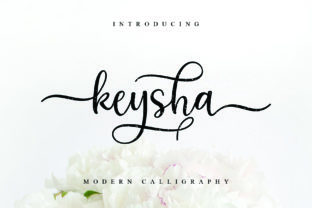
In the world of typography, a good script font can be a designer's most versatile tool. When you need to convey elegance, creativity, or a touch of personal flair, a script typeface steps into the spotlight. Among the many options available today, Keysha stands out as a particularly compelling choice. It’s not an archaic, overly ornate script; instead, Keysha presents itself with a beautifully elegant and fresh modernity. This balance makes it surprisingly adaptable, ready to enhance a wide array of projects from digital interfaces to printed invitations.
The Distinct Character of Keysha
What exactly makes a script typeface like Keysha feel "modern"? Traditional scripts often rely on heavy flourishes, dramatic contrasts, and a formal, sometimes rigid structure that echoes handwritten calligraphy from centuries past. Keysha takes a different path. Its elegance is clean and uncluttered. The letterforms possess a graceful flow, but they are constructed with a clarity that feels contemporary. The strokes are confident, the connections between letters are smooth and logical, and the overall impression is one of refined sophistication without unnecessary extravagance.
This is a critical characteristic. A script that is too decorative can overwhelm a design, making text difficult to read and pulling focus away from the message. Keysha manages its decorative nature with restraint. Its beauty serves the purpose of communication, not just ornamentation. This makes it a functional elegant font. You can use it for a headline, a logo, or even short paragraphs, and the text remains legible and engaging. It whispers "quality" rather than shouting "fancy."
Where Keysha Finds Its Home: Project Applications
The promise that Keysha "can be used for any design project" is a bold one, but its design philosophy supports it. Because it avoids extreme stylistic traits, it doesn't lock itself into a single niche. Let’s explore some scenarios where its fresh and modern look truly shines.
In branding and logo design, a script font can establish a brand's personality instantly. Keysha would be an excellent candidate for a boutique brand, a creative agency, a lifestyle blogger, or a high-end artisan product. It conveys trust, artistry, and attention to detail. For a logo, its elegant flow can create a unique and memorable wordmark that feels both personal and professional.
Web and digital design is another natural fit. Modern websites demand fonts that are clean on screens and scale well across devices. Keysha’s clear letterforms perform well in digital environments. Imagine it as the featured font for a website's hero section announcing a new creative service, or as the stylistic touch for headings on a portfolio site for a photographer or wedding planner. It adds human warmth to the digital space.
Print media remains a strong arena. Wedding invitations, event announcements, and high-quality brochures are classic applications for elegant scripts. Keysha brings a contemporary twist to these traditional pieces. It feels current and stylish, appealing to modern couples and clients while still honoring the formal nature of the occasion. It also works wonderfully in magazine layouts for feature titles or in premium packaging where a touch of handwritten elegance elevates the product perception.
Practical Benefits for Designers and Clients
Choosing a typeface is rarely just about aesthetics; it's a practical decision with workflow and outcome implications. Adopting Keysha into your toolkit offers several tangible benefits.
First is its versatility. Owning a font that can transition from a tech startup's landing page to a candle company's label is valuable. It reduces the need to search for a new, situation-specific script for every project, saving time and ensuring a consistent quality in your typographic work.
Second, its modern readability is a major asset. Many scripts suffer in longer text settings or at smaller sizes. Keysha’s balanced design maintains character recognition even when used for a short tagline or a quote block. This gives you more creative freedom—you aren't forced to use it only at 60-point size.
Third, it communicates a specific emotional tone efficiently. Typefaces carry emotional weight. Keysha reliably evokes feelings of sophistication, creativity, and refined taste. When a client wants their project to embody these qualities, presenting Keysha as a typographic solution is a clear, visual argument that aligns with their goals.
Considerations Before Using Keysha
Even with its adaptable nature, thoughtful application is key. Here are common factors designers should consider.
Pairing with Supporting Fonts: A beautiful script like Keysha often needs a partner. Its elegance is best framed and grounded by a neutral, highly readable sans-serif or serif font for body text. For example, pairing Keysha for headlines with a simple sans-serif for paragraphs creates a harmonious hierarchy that is both attractive and functional.
Cultural and Contextual Fit: While modern, script fonts can carry subconscious associations. Ensure Keysha’s elegance matches the cultural context of your project. It might be perfect for a luxury brand in one market but feel too formal for a casual, youth-oriented app in another. Always consider the audience's perception.
Technical Implementation: In digital use, confirm that the font files (whether you're using it via a web font service or local files) include all the necessary glyphs and support the languages you need. Also, check its performance at various weights if multiple options are available; a lighter weight of Keysha might be perfect for delicate work, while a regular weight offers more presence.
Keysha in the Contemporary Design Workflow
Today's design workflow is fast, iterative, and often collaborative. Fonts need to integrate seamlessly. Keysha fits into this environment because its style is easily understood by clients and team members. When you present a mock-up using Keysha, the "elegant and modern" intent is visually obvious, reducing ambiguity in feedback.
It also aligns with the trend towards authenticity and personal touch in design. Brands and platforms want to feel human and connected. A script font like Keysha, which simulates the grace of refined handwriting, injects that humanity into otherwise geometric digital landscapes. It’s a tool to soften interfaces and make brands feel more approachable and artisan.
Finally, from a learning and adoption perspective, Keysha is not a difficult font to master. Its consistency and logic mean designers don't have to fight the letterforms to make them work. You can focus on layout, spacing, and color, trusting that the font itself will carry the aesthetic load reliably. This makes it an excellent choice for designers who want the impact of a script but need a font that behaves predictably across different software and output mediums.
Whether you're refreshing a brand identity, crafting a special publication, or designing a website that aims to stand out with sophistication, Keysha offers a compelling solution. Its beautifully elegant character, tempered by a fresh and modern sensibility, provides that rare combination: striking visual appeal coupled with practical, cross-project utility. It reminds us that elegance in modern design doesn't have to be complicated; it can be clear, flowing, and ready for anything.