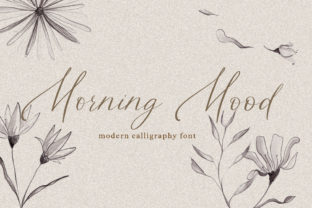
Morning Mood: The Design Script with a Cool, Casual Feel
You know the feeling. A project needs that final, perfect touch—something that conveys energy, modernity, or just plain coolness—but you’re staring at a blank canvas or a grid of generic typefaces. This is where Morning Mood steps in. It’s not just another font. It’s a script with a distinct personality, designed to turn any design project into an immediate eye-catcher. Its character lies in its relaxed, flowing strokes and contemporary vibe, offering a solution when you need typography to do more than just inform; it needs to feel.
What Makes Morning Mood Stand Out
So, what exactly is Morning Mood? At its core, it’s a script typeface, but it breaks from the formal, cursive traditions of many scripts. Its key strength is an inherent casual coolness. The letters flow with a natural, almost hand-drawn rhythm, but maintain a clean, digital precision that makes them incredibly versatile. This balance is its notable quality: it feels friendly and approachable without being sloppy, and modern without being cold or overly geometric.
Think of the difference between a formal invitation and a trendy café’s menu. Morning Mood leans decisively toward the latter. Its strokes have a subtle variation in weight, creating visual interest and movement. This isn’t a font that shouts; it connects. For professionals and creators tired of overused, generic options, Morning Mood provides a distinctive voice that can set a project’s tone from the very first glance.
Key Characteristics for Practical Use
- Natural Flow: The letter connections feel organic, reducing the mechanical stiffness some digital scripts can have.
- Versatile Weight: It typically holds its presence well at various sizes, from larger headlines to smaller, supportive text elements.
- Contemporary Aesthetic: It aligns with current design trends favoring authenticity and personality without resorting to retro or overly decorative styles.
- High Legibility: Despite its script style, it maintains clear character recognition, which is crucial for functional design.
Real-World Applications Across Fields
The true test of any design tool is how it performs in the wild. Morning Mood’s cool feel translates into powerful applications across a surprising range of environments. Its utility comes from setting a specific mood—energetic, creative, confident, and accessible.
For Brands and Marketers
In commercial and digital spaces, branding is about emotional connection. A lifestyle brand, a tech startup focusing on user experience, or a food product aiming for a fresh, artisan image can use Morning Mood in logos, taglines, and campaign headers. It injects human touch into digital interfaces. For example, using it for a call-to-action button label (“Get Started” or “Explore More”) can make the interaction feel more inviting than a stark, geometric button. It enhances perceived usability by softening the digital experience.
For Creators and Freelancers
Bloggers, publishers, and content creators can leverage Morning Mood to instantly elevate their visual materials. Blog post titles, YouTube video thumbnails, newsletter headers, or social media graphic quotes gain a shareable, attractive quality. It helps in visual communication, making the content appear more curated and engaging before a user even reads a word. A freelance web designer might use it sparingly in a client’s landing page hero text to convey a boutique, personalized service feel.
In Educational and Professional Materials
Even in contexts where clarity is paramount, personality matters. Educators creating presentations or online course materials can use Morning Mood for module titles or key points to break the monotony of standard slides and increase student engagement. Professionals crafting internal reports or client proposals might use it for section headers to give the document a more dynamic, forward-thinking appearance, aiding in communication and retention.
Implementing Morning Mood Effectively
Understanding its potential is one thing; using it well is another. Here are some practical considerations for selecting and implementing Morning Mood in your projects.
First, consider contrast and context. Morning Mood’s casual style works best when paired with simpler, supporting typefaces. A clean sans-serif for body text allows the script to shine as an accent without creating visual chaos. This pairing boosts overall readability and design efficiency.
Second, mind the message tone. It’s perfect for projects aiming for upbeat, innovative, friendly, or creative tones. It might be less suitable for extremely formal, corporate, or somber communications. Evaluating the emotional goal of your project is key.
Third, use it as an accent, not a foundation. Overusing any script can overwhelm a design. Use Morning Mood for primary headlines, key logos, or important call-outs. This strategic application maximizes its impact on user experience and brand perception without sacrificing professional polish.
- Start with a Hero: Apply it to the largest, most important text element in your layout.
- Pair with Stability: Choose a neutral, highly legible font for all other text.
- Test for Legibility: Always check how it renders at smaller sizes on various devices.
- Keep Colors Simple: Let its form provide the interest; overly complex color treatments can muddy its effect.
Observing Its Impact
When you implement Morning Mood correctly, the benefits are tangible. Projects gain a memorable appearance that stands out in a crowded visual landscape. For entrepreneurs and business owners, this can translate directly into stronger brand identity and customer engagement. For creators, it enhances the perceived value of their work. The efficiency comes from having a go-to tool that reliably injects personality, saving time searching for less effective alternatives.
In essence, Morning Mood is more than a collection of letters. It’s a design shortcut to a specific, sought-after vibe. It answers the need for typography that feels current, connected, and cool. By understanding its character and applying it with purpose, you can transform straightforward design projects into compelling visual conversations that capture attention and set the right mood, every time.