Rinly: The Friendly Script with a Casual Charm
In the world of typefaces, personality is paramount. Some fonts command attention with sharp serifs and bold weights, while others whisper with delicate thin strokes. But nestled between these extremes lies a category beloved for its approachability and warmth: casual scripts. Among them, a standout example is Rinly, a font that embodies a unique blend of sweetness and coolness, offering a relaxed look perfect for projects that need to feel human, friendly, and modern. Understanding Rinly isn't just about knowing a font name; it’s about grasping how a specific typographic style can communicate tone, build connection, and fit seamlessly into our digital and physical landscapes.
What Exactly Is a Casual Script?
To appreciate Rinly, we must first explore its family. Script fonts mimic handwriting. Traditional scripts, like formal cursive, evoke elegance and ceremony—think wedding invitations or diplomas. Casual scripts, however, break from this rigidity. They are the digital equivalent of a quick, friendly note left on a fridge, a doodle in a margin, or a relaxed signature. Their design characteristics typically include:
- Variable Stroke Weight: Lines aren't uniformly thick or thin; they transition naturally, mimicking the pressure of a pen or brush.
- Open, Friendly Letterforms: Letters are often rounded and open, avoiding tight, closed-off shapes.
- Imperfections and Playfulness: Subtle irregularities, slight wobbles in lines, or playful ligatures (connections between letters) add a human touch.
- Moderate to Low Contrast: The difference between the thickest and thinnest parts of a letter is less dramatic than in formal scripts, contributing to a steadier, more relaxed feel.
Rinly fits squarely into this definition. It doesn't shout with extravagant flourishes. Instead, it offers a consistent, easy-going rhythm that feels both contemporary and comforting.
The Dual Personality of Rinly: Sweet and Cool
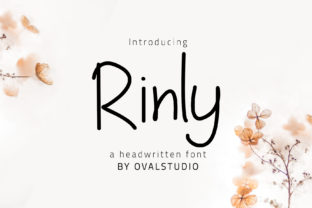
The descriptor “sweet and cool” perfectly captures Rinly’s appeal. The sweetness comes from its soft, rounded terminals (the ends of letter strokes) and its overall gentle curvature. There's no harshness or angularity to intimidate the reader. This sweetness evokes feelings of approachability, kindness, and creativity. It’s non-threatening and inviting.
The coolness is derived from its clean execution and modern proportions. Despite being a script, it avoids looking overly childish or naively handwritten. It maintains a baseline of sophistication through its balanced spacing and consistent flow. This cool factor gives it an edge, making it suitable for projects that need to feel fresh, trendy, and slightly laid-back without being sloppy. This duality allows Rinly to bridge contexts—it can charm in a bakery's logo while also looking effortlessly stylish on a tech startup's website header.
The Purpose and Significance of a Font Like Rinly
Typography is a silent communicator. Before a reader processes the words, the font sets the emotional stage. Rinly’s purpose is to lower barriers and foster connection. In a digital age where interactions can feel sterile and automated, a typeface that feels handwritten introduces a note of humanity. Its significance lies in its ability to:
- Build Trust: A friendly, casual font can make a brand or message feel more personal and authentic, which is a cornerstone of trust.
- Enhance Engagement: In educational materials or creative tutorials, a less formal font can make content feel more accessible and less like a rigid textbook, encouraging exploration.
- Differentiate Visually: In a sea of minimalist sans-serif fonts, using Rinly can create immediate visual interest and memorable brand identity.
Its practical relevance is vast. Consider a local coffee shop's menu using Rinly for item descriptions. It feels more like a lovingly crafted list than a generic corporate document. An independent musician might use it on album artwork to suggest a personal, intimate recording. A life coach or wellness blogger could use it in headlines to convey warmth and supportive guidance. In each case, Rinly isn't just decorating text; it's aligning the visual tone with the intended emotional message.
Clarifying a Common Misunderstanding
A frequent assumption about casual scripts is that they are “unprofessional” or only suitable for “fun” projects. This is a narrow view. Professionalism isn't solely defined by stark, traditional typefaces like Times New Roman. In modern branding, professionalism can equate with authenticity and targeted communication. A creative agency, a boutique design studio, or a contemporary wellness brand *is* professional, and their chosen professionalism might specifically require a warm, human touch to connect with their audience. Rinly, with its balanced coolness, avoids appearing childish or unserious. It demonstrates that professionalism has evolved to include emotional intelligence in design.
Rinly in Modern Contexts: Life, Work, and Creativity
How does Rinly fit into our daily activities? Its application stretches across multiple domains, always serving to soften interfaces and add character.
In Digital Products and User Interfaces (UI)
While not typically used for dense body text (for readability reasons), Rinly can be a powerful tool in UI design for specific elements. A mobile app focused on mindfulness or journaling might use Rinly for its main headline, instantly setting a calm, personal mood. Interactive elements like button labels on a creative platform (e.g., a drawing app) could use it to feel more integrated with the artistic process. The key is selective use—employing it as an accent font to establish tone without compromising usability.
In Branding and Marketing
For businesses, Rinly is a strategic choice for brands whose core values include friendliness, creativity, or personal service. It works excellently in:
- Logo Design: For cafes, artisan shops, craft brands, or community-focused organizations.
- Marketing Headlines and Slogans: On websites, social media graphics, or promotional posters to grab attention with warmth.
- Packaging: On product labels for handmade goods, specialty foods, or beauty products that emphasize natural, personal care.
It tells the customer, “We’re approachable and we care,” before they even read the details.
In Education and Learning Materials
Educational resources, especially those aimed at younger learners or in informal learning environments (online courses, workshops), benefit from typefaces that feel encouraging. Using Rinly for section titles, activity headers, or inspirational quotes within a lesson plan can make the material feel less daunting and more inviting. It supports a pedagogy that values engagement and reduces the formal pressure often associated with learning.
In Personal Creativity and Daily Life
Beyond commercial use, Rinly finds a home in personal projects. It’s a favorite for:
- Invitations and Personal Event Stationery: Birthday parties, casual gatherings, or baby showers where a formal script would feel too stiff.
- Art and Design Projects: In digital art, quote graphics, or personal blog headings where the creator wants to inject their personality.
- Handmade Signs and Decor: Even in physical spaces, a font like Rinly, when printed or painted, brings a cozy, crafted vibe to home decor or community notices.
Building a Broader Understanding: Typography as Emotional Tool
Exploring Rinly ultimately leads to a larger lesson: typography is an emotional and contextual tool. Choosing a font is not merely a aesthetic decision; it's a communication decision. A casual script like Rinly occupies a specific niche in the emotional spectrum of typefaces—between the stark neutrality of sans-serifs and the ornate tradition of formal scripts.
When selecting a font for any project, ask yourself: What is the primary emotion I need to convey? If the answers include warmth, accessibility, creative freedom, modern friendliness, or relaxed confidence, then a font like Rinly becomes a compelling candidate. It shows that in our increasingly digital world, the desire for human connection remains strong, and design elements—even something as fundamental as the shape of our letters—can be harnessed to fulfill that need.
By understanding the role and characteristics of Rinly, you gain not just knowledge of a single typeface, but a framework for evaluating how any font contributes to the message and experience you are designing. It reminds us that sometimes, the sweetest and coolest choice is the one that makes people feel welcome.